

Bridging the Skills Gap… Because Participation Trophies Don’t Write Code
Introduction — Back When Geekdom Was a Calling
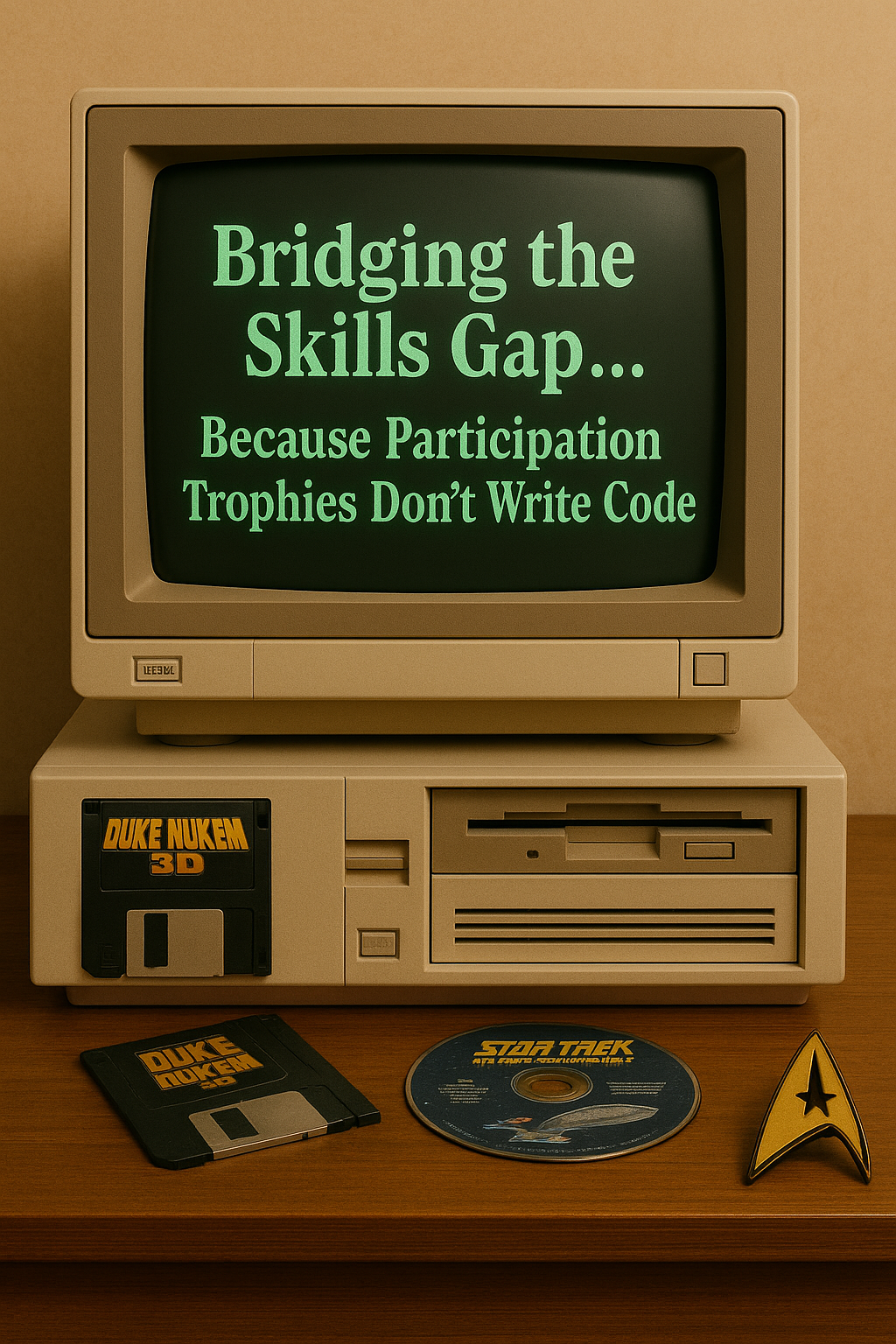
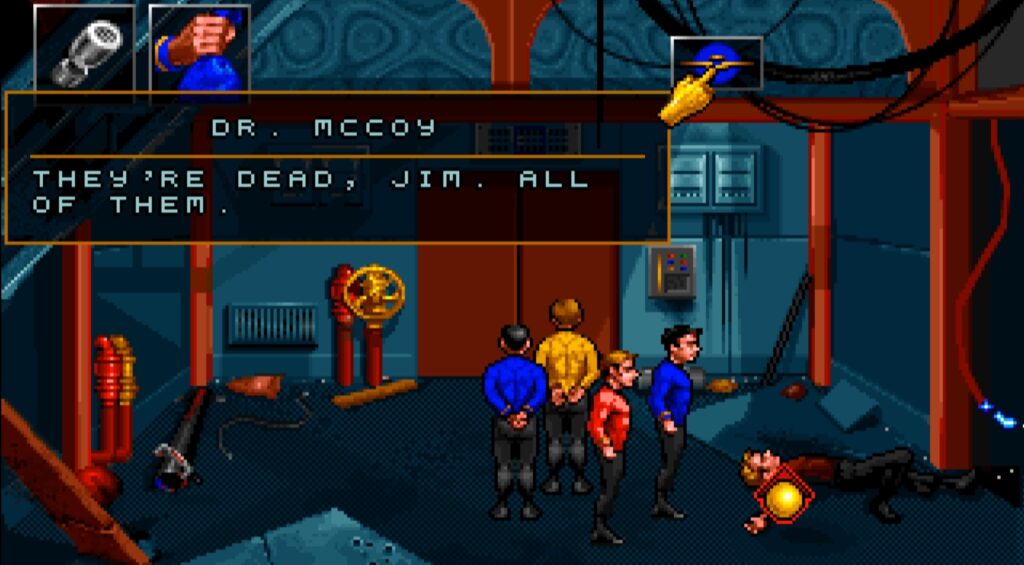
I was born in ’83. Grew up in the ’80s and ’90s. Fell in love with Star Trek: The Next Generation when it first aired. I remember sitting at my 486 playing Interplay’s Star Trek: 25th Anniversary on CD-ROM and deciding, right then and there, what I was going to do with my life — I would be a technologist.
When I entered the workforce right after college, there were still a few Trekkies out there. Still a few nerds in IT who had put in their time behind beige towers, tinkering with IRQ settings until things finally worked. I used to brag, “Age of the geek, baby!”
Today? It feels like the room has changed. Too many people got into tech because they thought it was an express lane to getting rich quick. And when that’s your motivation, you rarely develop the grit, curiosity, and stubbornness that real troubleshooting demands.
This post is my take on:
Why the skill gap feels sharper today.
How those of us forged in the DOS trenches see the difference.
What leaders can do to rebuild that problem-solving culture.
The Skill Gap We’re Talking About
The Reddit thread that kicked this off was full of stories any sysadmin would nod along to. One stood out:
“It’s so frustrating… for the ones who are just floating with no drive. You spend time explaining the solution and then the following week they escalate the same issue claiming they don’t know how to do it. Documentation goes unread.”
It’s not that everyone coming in is like this. The good ones still exist — and they’re easy to spot.
“The good ones ask how to do it, not just pass it up the chain. The best thing is when they ask at a later date for clarification on a point of the config… or come back with good tech answers as they want to go deeper.”
That’s the difference: one group’s just moving tickets, the other’s growing into technologists.
Back in My Day…
“People coming in today will never know the struggle… These experiences shaped us. I was there, Frodo… when I had to schedule online time because if my mom picked up the phone I’d get disconnected. We literally had to structure our lives around such inconveniences and problems, which gave us incredible problem-solving skills for technology.”
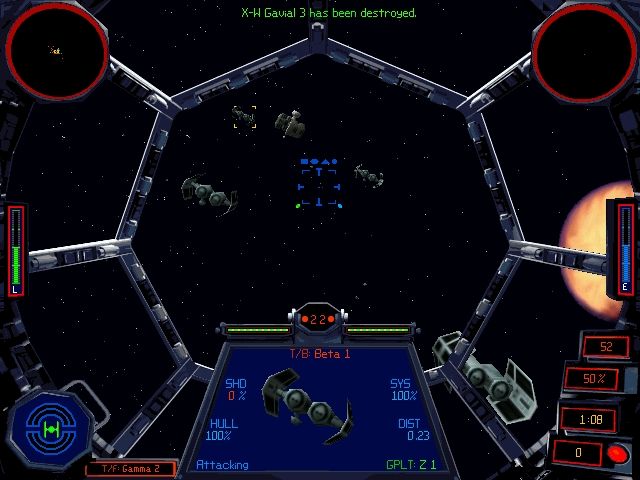
If you never had to craft a custom boot disk just to get X-Wing vs Tie Fighter running on a 486, you missed a rite of passage. Same with Duke Nukem 3D in MS-DOS — hours spent brute-forcing reinstallations, toggling IRQs, and flipping settings just to get sound and video working. And for what? Grainy, pixelated glory.
Ever deleted your Autoexec.bat file or your config.sys file in DOS while trying to get the CD-ROM to be recognized by the OS?
You know what i’m talking about…
DEVICE=C:\DOS\CDROM.SYS /D:MSCD001
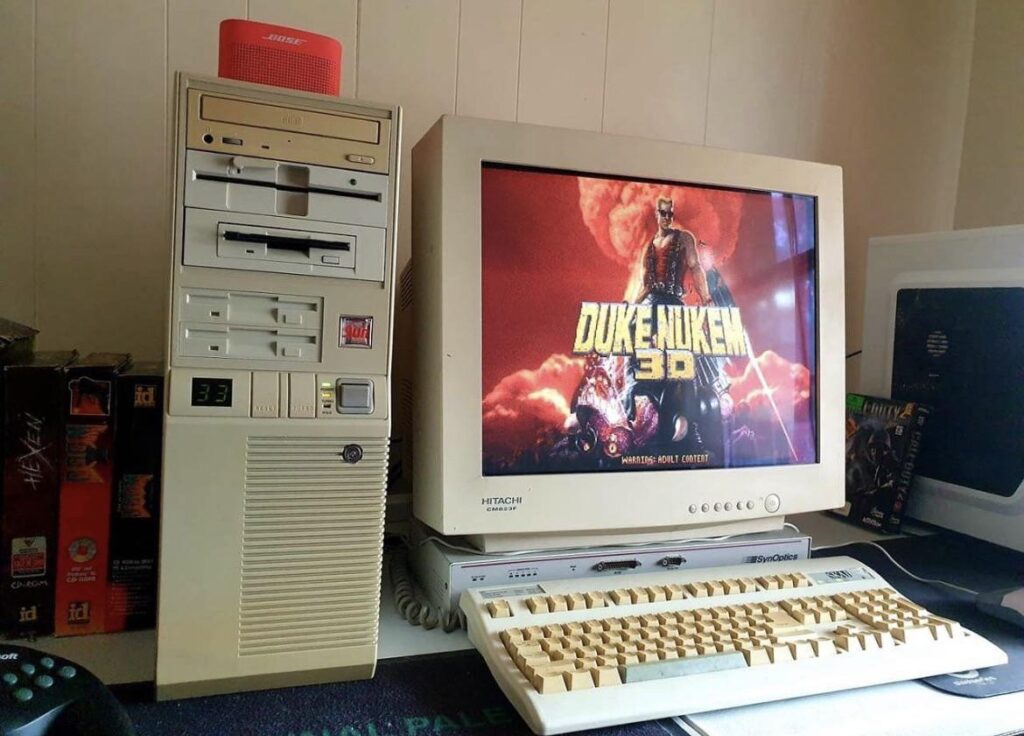
It sounds like a cliché “back in my day” rant, but here’s the thing — those inconveniences were the training ground. We didn’t just like tech. We lived it. Every install, every crash, every strange error was a puzzle to solve.
Two Archetypes in New Hires
I see two main personality types in IT newcomers:
1. The Checklist Follower
Great at following a standard procedure.
Lost when something deviates from the script.
Documentation is optional — until they escalate the same issue again.
2. The Creative Thinker
Wants to know the “why” behind the “how.”
Experiments, even if it means breaking something in a lab.
Comes back weeks later with new, deeper questions.
It’s not about age — I’ve met 22-year-olds who think like seasoned engineers, and mid-career hires who never progress past the basics. The difference is mindset and motivation.
Why the Gap Exists
Education Without Friction
Curriculums produce users of tools, not builders or debuggers of them.
The Death of the Home Lab
We had no choice — if you wanted to learn, you tore apart your own machine. Today, free tiers and instant deploys are great… but they rob you of the messy learning.
Boring Onboarding
Keeping juniors in repetitive, risk-free tasks doesn’t teach problem solving.
The “Tech is Cool” Crowd
There’s a difference between “I like tech” and “I’m obsessed with tech.” The former is a preference. The latter is a calling.
The Cost of Getting It Wrong
When outages hit or systems fail in ways the manual doesn’t cover, checklist followers freeze. They escalate. They wait. And those minutes cost money, customers, and credibility.
Creative thinkers? They get scrappy. They dig. They try something — anything — before they give up. That difference is the survival skill of IT.
Closing the Gap: What Works
1. Make Learning Part of the Job
Give paid hours for self-education. Fund homelabs. Provide Udemy, CBT Nuggets, or Hack The Box subscriptions. My favorite boss, Jarrett A. made sure I had resources at my disposal for furthering my knowledge and education. It made a difference for me.
2. Teach Automation Early
Require scripting for routine work. Even small PowerShell or Python projects force logical thinking.
3. Reward Curiosity Publicly
Praise those who come back with deeper questions. They’re the ones thinking.
4. Pair Juniors with Veterans
Let them shadow not just tasks, but thinking. The war stories about dial-up and floppy installs aren’t just fun — they teach persistence.
5. Keep “Below Me” Tasks in Rotation
Fixing printers, updating docs, resetting passwords — those teach humility and discipline.
A Sample Junior Dev Program
| Time Frame | Activity |
|---|---|
| Week 1 | Small scripting project. |
| Weeks 2–4 | Guided learning modules on architecture and troubleshooting. |
| Month 2 | Self-directed improvement project. |
| Quarterly | Performance review focused on process as much as results. |
Final Thoughts — Carry the Geek Banner Forward
I’ll always have a soft spot for the people who built boot disks, wrestled with IRQ settings, and timed their downloads around the family phone schedule. We didn’t enter tech for quick paydays. We entered because we were in love with the machines, the puzzles, the endless learning.
If you’re leading younger hires today, show them what that means. Let them hear the Star Trek story. Let them feel the frustration of an unsolved problem — and the pride of finally cracking it.
Because the age of the geek doesn’t have to be over. But if we don’t pass it on, it will be.
Michael, I saw your piece, “Bridging the Skills Gap… Because Participation Trophies Don’t Write Code,” and I just had to reach out.
I always knew you were a cut above the rest, even when you were working here. Your analysis on the death of the “home lab” and the difference between the “Checklist Follower” and the “Creative Thinker” is exactly why our team struggled after you left. You’ve always been one of those rare technologists who understands the “why” behind the “how.” Remember that time you debugged the legacy ERP system issue that three senior consultants missed? That grit—the one forged in the DOS trenches—is irreplaceable.
We’ve just launched a new Lead Infrastructure Architect role, and frankly, we’ve interviewed a lot of “Participation Trophies,” but none have your mix of deep knowledge, problem-solving tenacity, and leadership vision. It’s a significant bump in salary, full executive benefits, and a mandate to completely rebuild our junior program with the kind of hands-on, high-friction learning you advocate for.
Evan, you have been one of my favorite Directors to work under. Thank you for your kind words. I’ll be in touch!